This article explores the corporate adoption of smart glass technology in Southeast Asia. Recognizing its potential to revolutionize workspace environments smart glass Malaysia, corporations are increasingly integrating smart glass into their infrastructure.
However, this adoption is met with unique region-specific challenges. We offer an analytical viewpoint on the benefits, current adoption status, implementation obstacles, and the future prospects of this innovative technology in Southeast Asia’s corporate landscape.
Understanding Smart Glass Technology
Understanding Smart Glass technology necessitates delving into its composition, functionality, and the transformative potential it holds for the corporate world. Primarily, Smart Glass is made up of micro-thin layers of liquid crystals sandwiched between two laminated glass panels. These crystals align or scatter when electrically stimulated, thereby controlling the amount of light and heat that passes through.
In Southeast Asia, where tropical climates prevail, the potential to regulate interior temperatures can significantly reduce energy costs in corporate settings https://chiefway.com.my/smart-glass/. Furthermore, the inherent flexibility and adaptability of Smart Glass opens up new possibilities for workspace design, fostering a sense of freedom and innovation.
An analysis of the region’s corporate trends reveals a growing interest in Smart Glass. The demand is driven by the desire for sustainability, cost-effectiveness, and increased employee comfort. The transformative potential of this technology is vast, from enhancing privacy in boardrooms with a flick of a switch to creating dynamic advertising spaces on building facades. As Southeast Asian corporations increasingly prioritize efficiency and innovation, the adoption of Smart Glass is poised to become a defining feature of the region’s corporate landscape.
Benefits of Smart Glass in Corporations
Why, then, are corporations increasingly turning to Smart Glass technology, and what benefits does it offer in a corporate setting? The answer lies in the technology’s unique ability to merge aesthetics and functionality, improving both work environments and operational efficiencies in Southeast Asian corporations.
A critical advantage of Smart Glass is its capacity for energy efficiency. By controlling the transmission of light and heat, corporations can significantly reduce energy costs—an appealing aspect in Southeast Asia, where energy regulation and cost management are imperative.
Smart Glass also enhances privacy without compromising on natural light, a feature prized in open-plan offices and conference rooms. The simple switch from transparent to opaque glass ensures confidentiality during critical discussions while maintaining an inviting atmosphere.
This technology also holds potential for advanced integration with IoT devices and building management systems, offering possibilities for automated, responsive environments. For instance, the glass can automatically darken or lighten based on external conditions, furthering energy conservation.
Lastly, the modern aesthetic of Smart Glass aligns with the dynamic, forward-looking corporate cultures in Southeast Asia. It embodies the region’s rapid technological advancement and commitment to digital transformation in a tangible, everyday application. Therefore, it is no surprise that Smart Glass is becoming a mainstay in Southeast Asian corporate infrastructure.
Adoption Status in Southeast Asia
The adoption of Smart Glass technology, while still in its early stages, is gradually gaining momentum in the corporate landscape of Southeast Asia. This emerging trend is primarily driven by the region’s vibrant economic growth and the aggressive digital transformation strategies of its business sector.
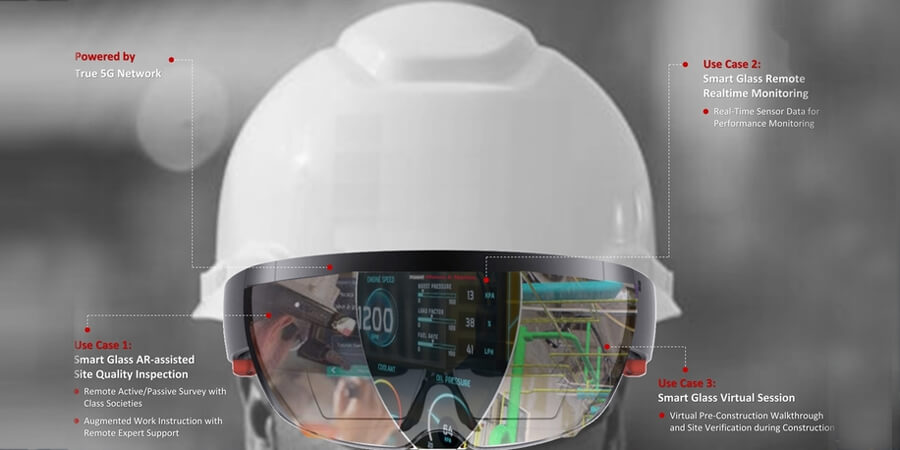
A detailed analysis reveals that industries with a high degree of customer interaction, such as retail and hospitality, are leading the adoption. Smart glass applications in these fields offer a unique fusion of physical and digital experiences, enhancing customer engagement and satisfaction. The construction and automotive sectors are also exploring smart glass solutions, seeking to integrate augmented reality and energy efficiency into their operations.
However, the adoption rate varies across the region. Countries with advanced infrastructure and robust digital ecosystems, such as Singapore, are at the forefront, while others like Cambodia and Laos trail behind, facing challenges like cost and the lack of technical expertise.
Despite these disparities, the overall trajectory points towards an increasing adoption of smart glass technology. As the region continues to embrace digital innovation, Smart Glass holds the potential to become a significant part of Southeast Asia’s corporate future.
Implementation Challenges and Solutions
Despite the promising growth, corporate adoption of Smart Glass in Southeast Asia is not without its obstacles, which range from financial constraints to technical complexities; addressing these challenges effectively can pave the way for more widespread implementation.
Firstly, the high upfront cost of Smart Glass technology is a significant deterrent for many corporations in the region. The solution lies in creating scalable business models and offering flexible financing options to reduce the financial burden.
Secondly, the technical complexities associated with the installation and integration of Smart Glass into existing infrastructure can be daunting. This requires comprehensive training and the development of region-specific guidelines to ensure seamless integration.
Moreover, the lack of awareness and understandability amongst the corporate entities regarding the benefits and functionality of Smart Glass technology is another impediment. Encouragingly, the solution can be found in conducting targeted awareness campaigns, demonstrating the operational efficiency and environmental benefits of Smart Glass.
Lastly, regulatory obstacles in some Southeast Asian countries can hinder the adoption of Smart Glass. To overcome this, active dialogue and collaboration with regulatory bodies is essential to develop supportive policies and standards.
These solutions, when effectively implemented, could unlock the vast potential of Smart Glass technology in the corporate sector of Southeast Asia.
Future Prospects of Smart Glass Adoption
Addressing the aforementioned challenges opens up a promising future for the adoption of Smart Glass within the corporate sector in Southeast Asia. As businesses seek energy-efficient solutions to reduce operating costs, the demand for this technology is expected to surge.
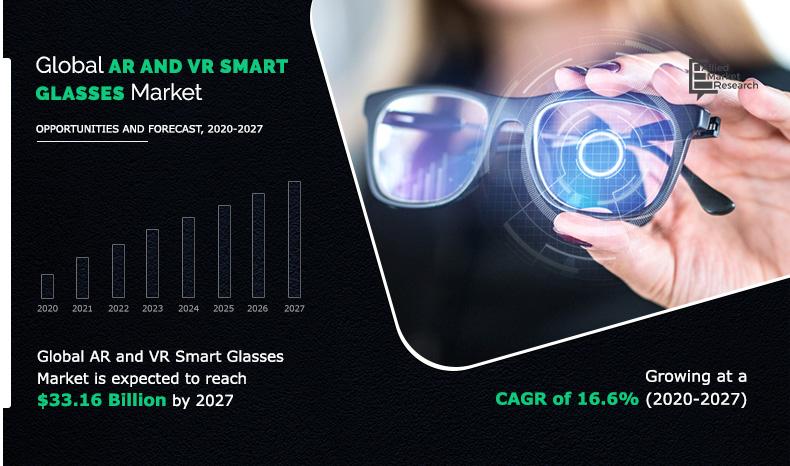
The Smart Glass market in the region is forecasted to experience an upward trajectory, driven by the growing investment in infrastructure development, particularly in emerging economies such as Indonesia, Malaysia, and the Philippines. These nations are demonstrating a keen interest in integrating advanced technologies in their corporate structures for increased productivity and sustainability.
Furthermore, government initiatives promoting green buildings and energy conservation are likely to spur the adoption of Smart Glass. This technology aligns perfectly with these initiatives, given its inherent energy-saving and environmental-friendly properties.
In terms of specific sectors, the real estate and automotive industries are poised to lead the way. In the real estate industry, Smart Glass can provide substantial energy savings and enhance the aesthetic appeal of buildings. In the automotive sector, its adoption could significantly improve vehicle safety and fuel efficiency.
Conclusion
The adoption of smart glass technology in Southeast Asian corporations is on the rise, offering numerous benefits such as energy efficiency and enhanced privacy. Though implementation challenges persist, solutions are being developed, promising a brighter future.
As technology continues to evolve and corporations become increasingly aware of the benefits, the adoption of smart glass in this region is anticipated to accelerate, contributing to a more sustainable and technologically advanced corporate environment.
…
 Approximately one in 2,500 people appear to have this specific mutation in the gene called GPR75. Those in this rare group of people have a lower body weight, in addition to being 54% less likely to be obese.